


B12 Injections
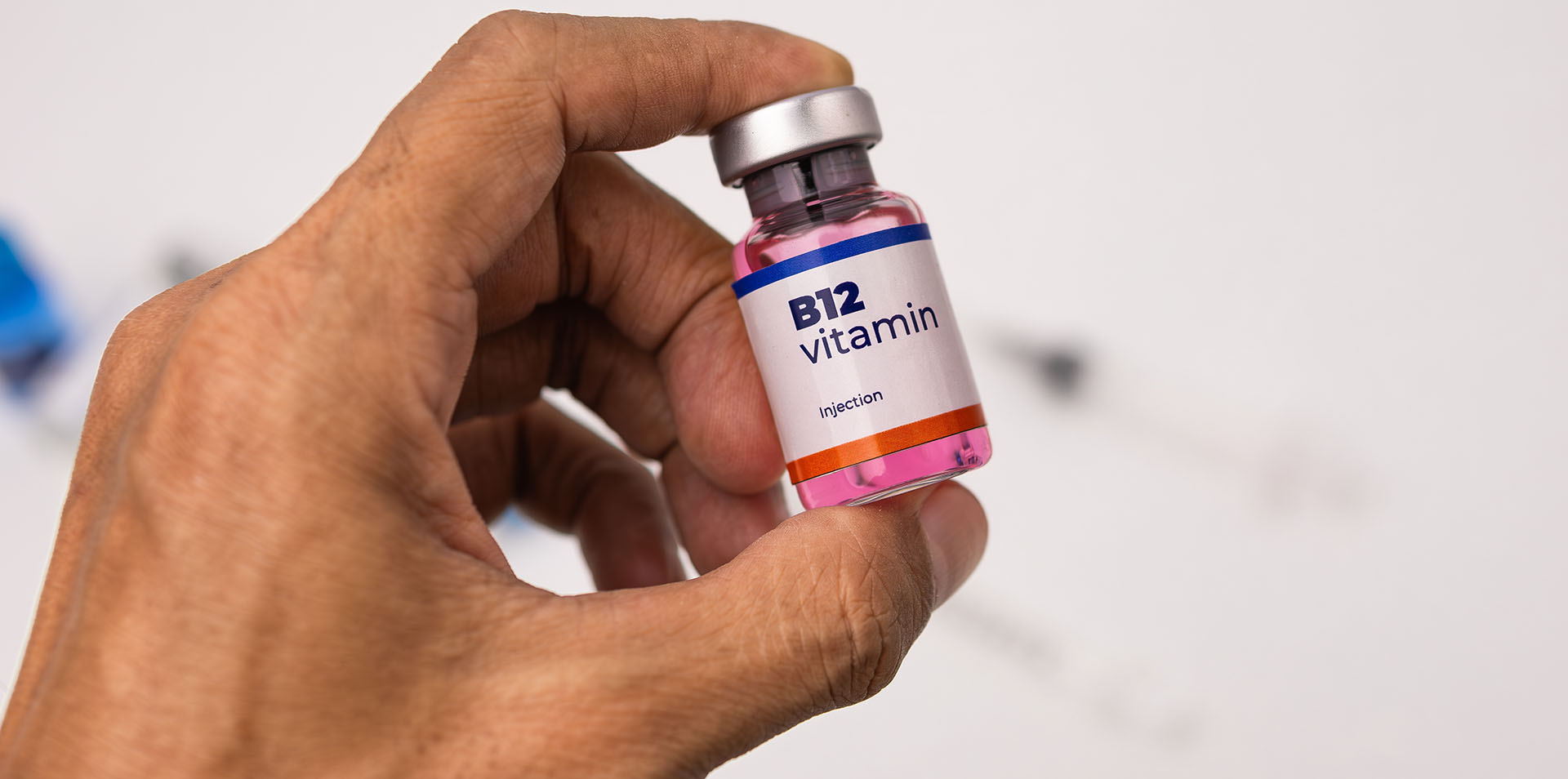
Common symptoms of Vitamin B12 deficiency include extreme tiredness, lack of energy, mouth ulcers, muscle weakness, disturbed vision, and memory and comprehension problems. Supplementation can be done through oral tablets or, in more severe cases, B12 injections.
A GP diagnoses Vitamin B12 deficiency based on symptoms and confirms it with a blood test. Our trained pharmacists can administer your B12 injection, available to those over 18 years old.
Please note a valid prescription is required from your doctor prior to B12 administration. Please bring this prescription with you if not already present in the pharmacy or sent directly by the GP.

Blister Packing
Extra care is necessary when taking several different medicines. This is particularly true for patients with visual or cognitive impairment.
Blister packs make it simple and easy to take the right medicines at the right time by dividing your tablets into separately sectioned blisters, each marked with the time of day when the tablets should be taken.
This can improve your medication adherence and reduce errors. Caregivers can also easily check that the right medicines have been taken in a timely manner.
Blister packs can help if you are
- Struggling to organise medicines.
- Finding it difficult to remember when to take your medicines.
- Helping to look after someone else.
- Recently home from hospital and suddenly have a lot more tablets to take.
- Looking after someone who is visually impaired.
- On a complex medication regime.
Blood Pressure Checkup
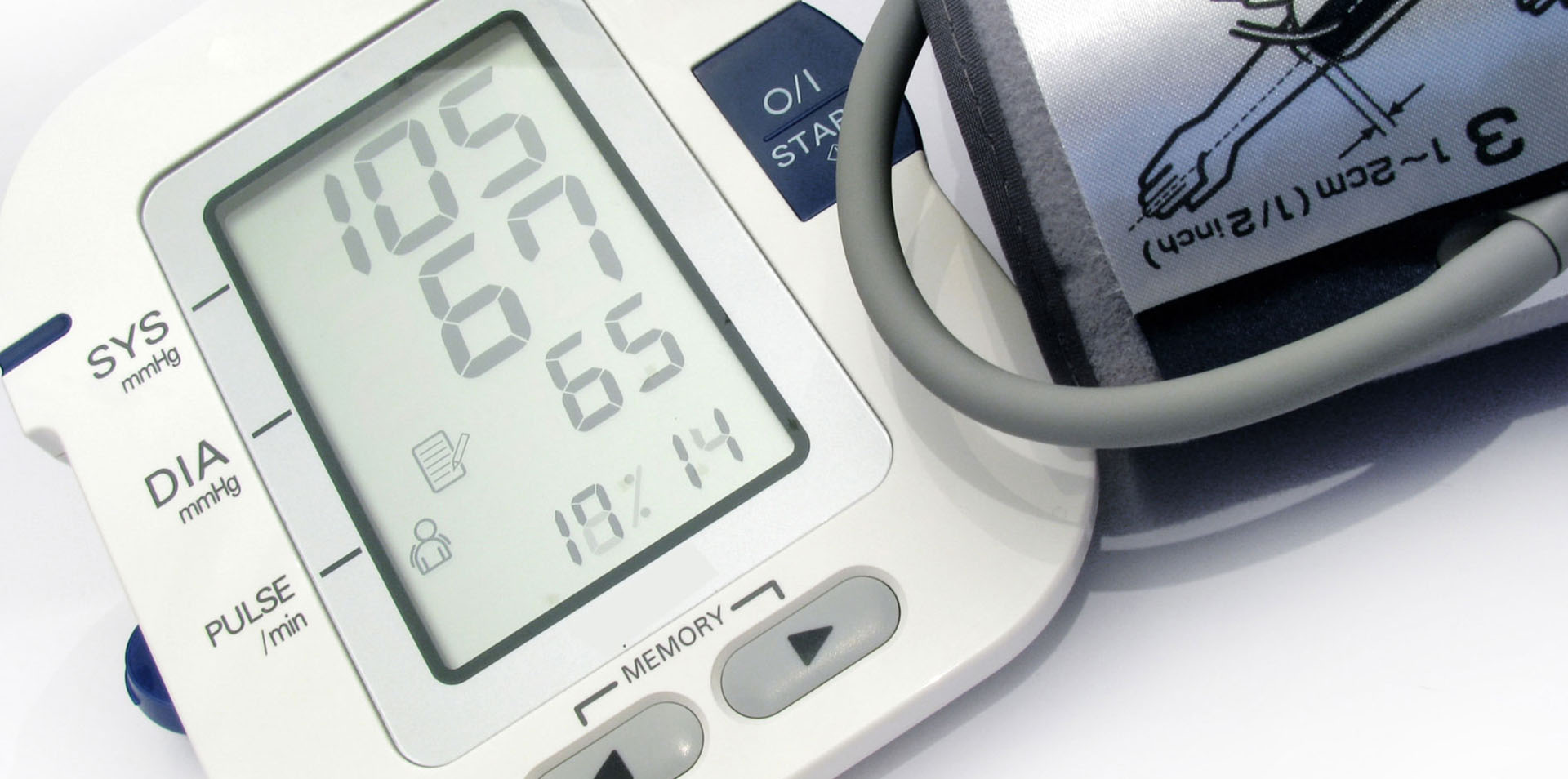
- Early Detection of Hypertension: Regular checks can identify high blood pressure (hypertension) early, a condition often without symptoms but a significant risk factor for heart disease and stroke.
- Prevention of Serious Health Issues: Monitoring blood pressure helps prevent complications like heart attacks, strokes, kidney disease, and vision loss.
- Monitoring Existing Conditions: If you have conditions like hypertension or heart disease, regular checks help manage and adjust treatment plans effectively.
- Assessing Treatment Efficacy: For those on blood pressure medications, regular checks ensure the treatment is working as intended.
- Overall Health Awareness: Knowing your blood pressure helps you stay informed about your cardiovascular health and take proactive steps in maintaining it.
- Lifestyle Adjustments: Regular monitoring can motivate healthier lifestyle choices, such as improved diet, increased physical activity, and stress management.
Blood Sugar Testing
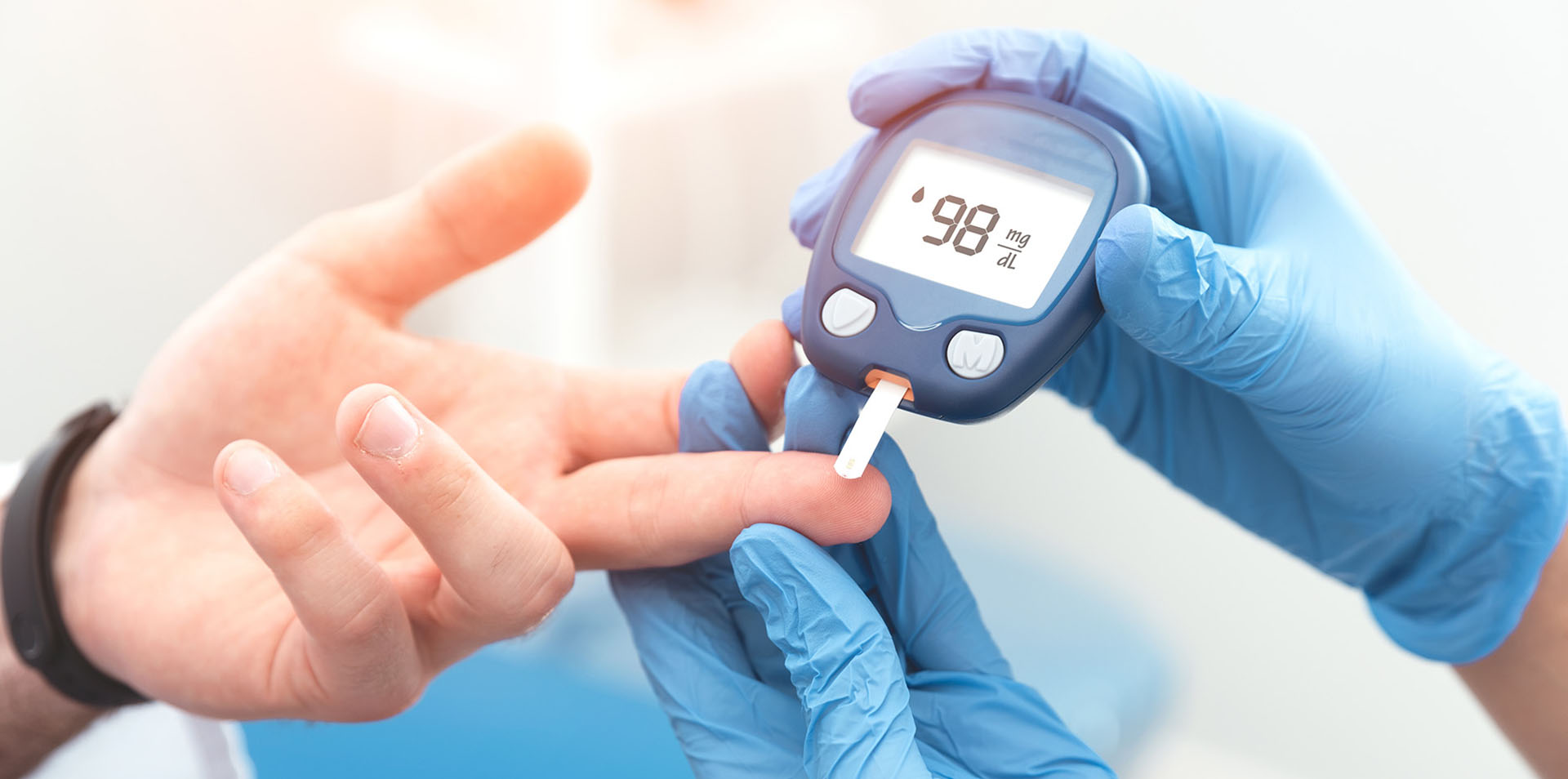
A blood sugar test is used to test people for type 2 diabetes. Diabetes is a condition characterised by high blood sugar (glucose) levels. It is caused by a lack or insufficiency of insulin which regulates the way glucose is used in your body.
You should consider a blood sugar test if you experience symptoms of diabetes such as
- Constantly feeling thirsty or hungry
- Unexplained weight loss
- Frequent urination
- Blurry vision
- Extreme fatigue
This is especially the case if you any of the risk factors apply to you including being overweight, family history of diabetes, high blood pressure, lack of exercise, over 40 years old or high cholesterol.
The American Diabetes Association recommends testing for prediabetes and risk for future diabetes for all people beginning at age 45 years. If tests are normal, it is reasonable to repeat testing at a minimum of 3-year intervals.

BMI Check
A person’s BMI, or body mass index, is one way of measuring whether you are a healthy weight for your height. Body Mass Index is calculated using a person’s weight in kilograms (kg) divided by the square of height in meters (m2).
Initially used as a statistical index of health and weight for a population group, BMI can be used to show the weight categories that may lead to health problems but it is not diagnostic of the body fatness or health of an individual. Nonetheless, your BMI is a good indication of whether you are a healthy weight, and if not, how over or underweight you are.
| BMI | Classification |
|---|---|
| Less than 18.5 | Underweight |
| 18.5 - 24.9 | Normal Weight |
| 25 - 29.9 | Overweight |
| Over 30 | Obese |
Obesity is currently a worldwide problem, with overweight (body mass index ≥25 kg/m2) and obesity (BMI ≥30 kg/m2) estimated at 35% and 12% of the overall adult population, respectively.
We can assist with weight loss steps by evaluating potential obesity-related diseases; obtaining a weight history, identifying patient triggers and screening for medications that may influence weight gain. Plus, we can evaluate and track weight and height in calculating your body mass index (BMI).
table { border: 1px solid black; border-collapse: collapse; } th, td { border: 1px solid black; padding: 0.25rem; text-align: left; }
Common Condition Services
Conditions our pharmacists can help with: Our trained prescribing pharmacists can assess symptoms and, where appropriate, provide a prescription for:
- Conjunctivitis (eye infection)
- Impetigo (bacterial skin infection)
- Oral thrush
- Cold sores
- Allergic rhinitis and allergic conjunctivitis (hay fever–type symptoms)
- Uncomplicated lower urinary tract infection (cystitis) in non‑pregnant women aged 16–64
- Vulvovaginal thrush in females aged 16–60
- Shingles (herpes zoster) in adults, within defined time windows from rash onset.
Standard medication costs will apply. Prescribed medicines for common conditions services are included in the various government support schemes such as Drug Payment, Medical Card and Long Term Illness schemes.
Note: this service is 35 euro per appointment.

COVID-19 Vaccination
- Older adults — the qualifying age threshold is reviewed by the HSE each season
- Residents of long-term care facilities
- All pregnant women
- Adults with immunocompromise or a medical condition associated with a higher risk of severe COVID-19
- Healthcare workers in the groups listed above
Emergency Contraception
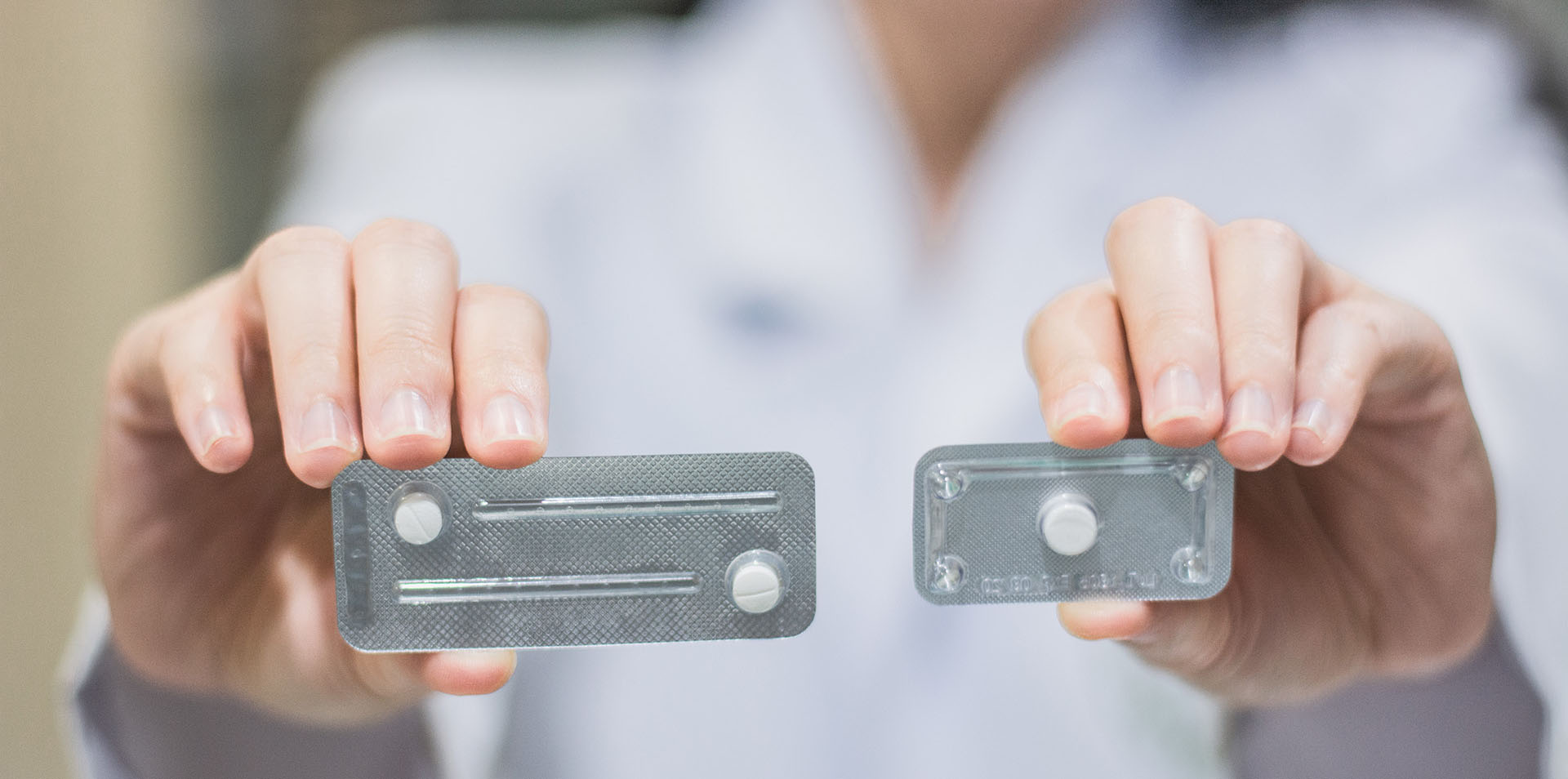
The morning after pill is available to you directly from your local pharmacy, without a prescription for those over 17 years of age, subject to meeting certain criteria.
The emergency contraception service is available free of charge to medical card holders when a valid card is presented and to persons aged 17-35 with a PPS number. For other customers, a fee will be charged, depending on the outcome of the consultation and the type of emergency contraception supplied
Emergency Hormonal Contraception may not be suitable if:
- Too much time has passed since the unprotected sex for the medicine to be effective (max time is 120 hours)
- You may be taking other medications or have certain medical conditions that make it unsafe for you to use emergency contraception
- Allergies to any of the ingredients in the medication
- You have already taken an emergency contraceptive pill within this cycle.
- Your last period was irregular in some way
Our pharmacists will determine if the morning after pill is suitable for you. If for any reason the pill is not suitable, there may be further options available. Our pharmacists are trained to be able to direct you to the correct source for help or support.
Morning after pills are not 100% effective. This is because there is a chance that you may have already ovulated when you take an emergency contraceptive pill. Taking emergency contraceptive pills as soon as possible after unprotected sex gives the best chance of success.
It should be noted that the morning after pill cannot protect against a sexually transmitted infection. Talk to your pharmacist or doctor if you have any questions about STI’s or visit www.thinkcontraception.ie for more information.

Flu Vaccination
Seasonal flu or influenza is an acute respiratory infection caused by flu viruses which circulate in all parts of the world.
Seasonal flu symptoms include a high temperature, a severe (usually dry) cough, headache, muscle pain, joint pain, sore throat, and a runny nose. A person with the flu will also feel extremely unwell.
Most people recover from the symptoms within a week or two without requiring medical attention. But flu can cause severe illness or death especially in people at high risk (see below).
Illnesses range from mild to severe and even death. Hospitalisation and death occur mainly among high risk groups.
The most effective way to prevent the flu is get vaccinated. An annual vaccination is recommended as immunity decreases over time. The flu vaccine can be administered as an injection or using an intra-nasal spray.
While everyone should consider getting a flu vaccine, it is especially important that the following groups get vaccinated:
- Persons aged 65 years and older.
- Persons with a chronic illness requiring regular follow up, e.g. chronic respiratory disease (including chronic obstructive pulmonary disease, cystic fibrosis, moderate or severe asthma and bronchopulmonary dysplasia), chronic heart disease (including acute coronary syndrome), chronic renal disease, diabetes mellitus, haemoglobinopathies, chronic liver disease, chronic neurological disease (including multiple sclerosis, hereditary and degenerative disorders of the central nervous system).
- Those who are immunosuppressed due to disease or treatment including those with missing or non-functioning spleens.
- All cancer patients.
- Patients with any condition that can compromise respiratory function, e.g. spinal cord injury, seizure disorder or other neuromuscular disorder.
- Persons with Down syndrome.
- Those with morbid obesity, i.e. body mass index over 40.
- All pregnant women (vaccine can be given at any stage of pregnancy).
- Healthcare workers.
- Household contacts of at-risk persons.
- Out-of-home care givers to at-risk persons.
- Residents of nursing homes and other long stay institutions.
- Carers.
- People with regular contact with pigs, poultry, or waterfowl.

Nutritional Supplements
Nutrients are substances that are essential for good health - promoting energy, providing building blocks to form body structures, and helping to regulate body functions.
Protein, carbohydrate, and fat are classified as macronutrients providing energy to fuel the body plus protein is broken down into amino acids to repair and grow new muscle fibres.
Minerals and vitamins are classified as micronutrients and play a key role in the body\'s structures and functions.
The Irish government and the HSE publish detailed nutritional guidelines comprising a few key points:
- Eat more vegetables, salad, and fruit - Up to seven servings a day.
- Limit your intake of high fat, sugar, salt (HFSS) food and drinks.
- Reduce portion sizes and use the food pyramid as a guide.
- Increase your physical activity.
For many people, following a balanced and healthy diet coupled with exercise, will provide all the nutritional needs of your body.
However, nutritional needs vary with age, activity, and medication - particularly the long-term use of medications.
With age the lean body mass naturally reduces and there is an increase in body fat. This generally results in reduced mobility and subsequent risk of osteoporosis and falls.
It also reduces the metabolic rate causing the body\'s energy requirements to fall which may in turn may lessen your appetite. The reduced intake of foods may also decrease your micronutrient intake (for example vitamins).
Certain medications are well known for causing side effects such as nausea or drowsiness affecting nutritional intake, but sometimes a lesser known side effect happens without giving you any warning: nutrient deficiency.
Most medications for a short amount of time will not lead to nutrient deficiency.
But long-term use can be different - reducing the absorption of certain vitamins or depleting minerals in the body or even inhibiting the production of important enzymes.
Even commonly used medications like some statins, PPIs (for acid reflux) and diuretics (lower blood pressure) etc taken for long periods can lead to nutrient deficiency.
If you feel any of the above apply to you, we can complete a review of your medications and diet to provide guidance on what nutritional supplements would benefit you.

Pneumococcal Vaccination
The pneumococcal vaccine (also known as the pneumonia vaccine) protects against serious and potentially fatal pneumococcal infections.
Pneumococcal infections are caused by the bacterium Streptococcus pneumoniae and can lead to pneumonia, septicaemia, and meningitis. Illnesses that can cause brain damage or kill.
A pneumococcal infection can affect anyone, but some people are at higher risk of serious illness, including:
- Babies
- Adults aged 65 or over
- People with certain long-term health conditions
- Find out who should have the pneumococcal vaccine
People aged 65 and over only need a single pneumococcal vaccination – a top up may be necessary every 5 years.
Prescription Extensions

School Vaccination Programme

Shingles Vaccination
Shingles is a viral infection that causes a painful rash. The pain associated with shingles can be very intense and is usually the 1st symptom.
The rash most often appears as a single stripe of blisters that wraps around your torso. However, the shingles rash can also appear around the eyes, neck, or face.
If a rash appears around the eye, you must quickly seek professional medical attention to avoid long term damage (to the eye).
Shingles is caused by the same virus that causes Chickenpox. Anyone who suffered from chickenpox can develop shingles.
However not everybody does and why shingles develops in some people and not others remain unclear. Shingles tends to be more common in older adults or people with a weakened immune system.
The virus that causes shingles is contagious causing chickenpox in people who have previously not had the infection.
Getting vaccinated does not guarantee you will not get Shingles, but the vaccine will likely reduce the course and severity of the infection.

Smoking Cessation
Every year in Ireland, nearly 6,000 people die because of smoking with many more suffering from smoking related diseases. The HSE estimates that 1,000 people are admitted to hospital every week with an illness caused by smoking.
In our pharmacy, we help smokers break nicotine addiction by recommending Nicotine Replacement Therapy (NRT). NRT comes in many different forms including patches and gums. It is important that the right option is chosen to suit individual needs.
Evidence has shown that if a smoker participates in a smoking cessation service that combines advice, support, and Nicotine Replacement Therapy that the smoker is 4 times more likely to quit compared to using willpower alone.

Erectile Dysfunction
Please be aware that ED can sometimes be an early sign of an underlying health condition such as high blood pressure, high cholesterol or diabetes, so a general health check with your GP is always a good idea.
Viagra Connect (sildenafil 50mg)
- Available to men aged 18 and over
- Takes effect within 30 to 60 minutes; effective for up to 4 hours
- Take one tablet as needed, no more than once per day
- Best taken on an empty stomach or avoiding high-fat meals
Viagra Connect offers a convenient and accessible option for men with ED, providing an effective treatment that does not require a prescription in certain regions. It works by enhancing blood flow to the penis, helping to achieve and maintain an erection. However, it is essential to use it responsibly, be aware of potential side effects, and consult with a healthcare professional if there are any health concerns or questions about its use.
Viagra Connect contains 50mg of the active ingredient sildenafil. Sildenafil relaxes blood vessels to help increase blood flow to the penis helping a man get and maintain an erection. It will not give you an instant erection, requires sexual arousal and can take between 30 minutes to an hour to work.
Viagra Connect is not suitable for men under 18, those who do not have erectile dysfunction, men with specific health issues, men taking certain medications, or women.
Viagra Connect is for men aged 18 or over who have erectile dysfunction symptoms. It’s for men who are fit enough to have sex, but unable to get or maintain an erection hard enough for sexual intercourse. During your consultation, we will check if Viagra Connect is suitable by asking you a few questions related to your health and any medication you may be taking.
Cialis for Men (tadalafil 10mg)
- Available to men aged 18 and over
- Takes effect within 30 minutes; effective for up to 36 hours
- A longer-lasting, flexible option for some men
- Take one tablet as needed, no more than once per day
What to expect
Our pharmacist will have a short, confidential conversation with you about your health and any medications you are taking. We have a private consultation area so you can speak with us discreetly.Please note: neither treatment is suitable for men taking nitrate-based medicines or certain blood pressure medications. If first-line treatments are not suitable, we will discuss alternatives and refer you to your GP where appropriate.